Training

How thoughtful choices can make every ride more comfortable and enjoyable

A great cycling experience is rarely created by one single component. It comes from the way your bike, equipment, accessories, preparation, and personal preferences work together. Some riders are searching for speed. Others want comfort for long-distance adventures, confidence on challenging trails, or simply a dependable bike for weekend escapes. Whatever your reason for riding, the right setup should support your goals without making cycling unnecessarily complicated. Creating a better ride begins with understanding what matters to you.

Your goals should guide your choices

Before changing components or purchasing new equipment, consider what you actually want to improve. Perhaps you want your bike to feel more responsive when accelerating. Maybe you are planning longer distances and want additional comfort. You might need more storage for adventures or simply want a cleaner and more organized setup. Identifying your priorities helps you make smarter decisions. Instead of upgrading because something is new, choose equipment because it brings a meaningful improvement to the way you ride.

The frame gives a bicycle much of its character. Geometry affects riding position and handling, while materials and construction influence stiffness, weight, responsiveness, and comfort. A performance-oriented road frame may feel fast and direct. An endurance-focused design can provide greater stability for longer distances.

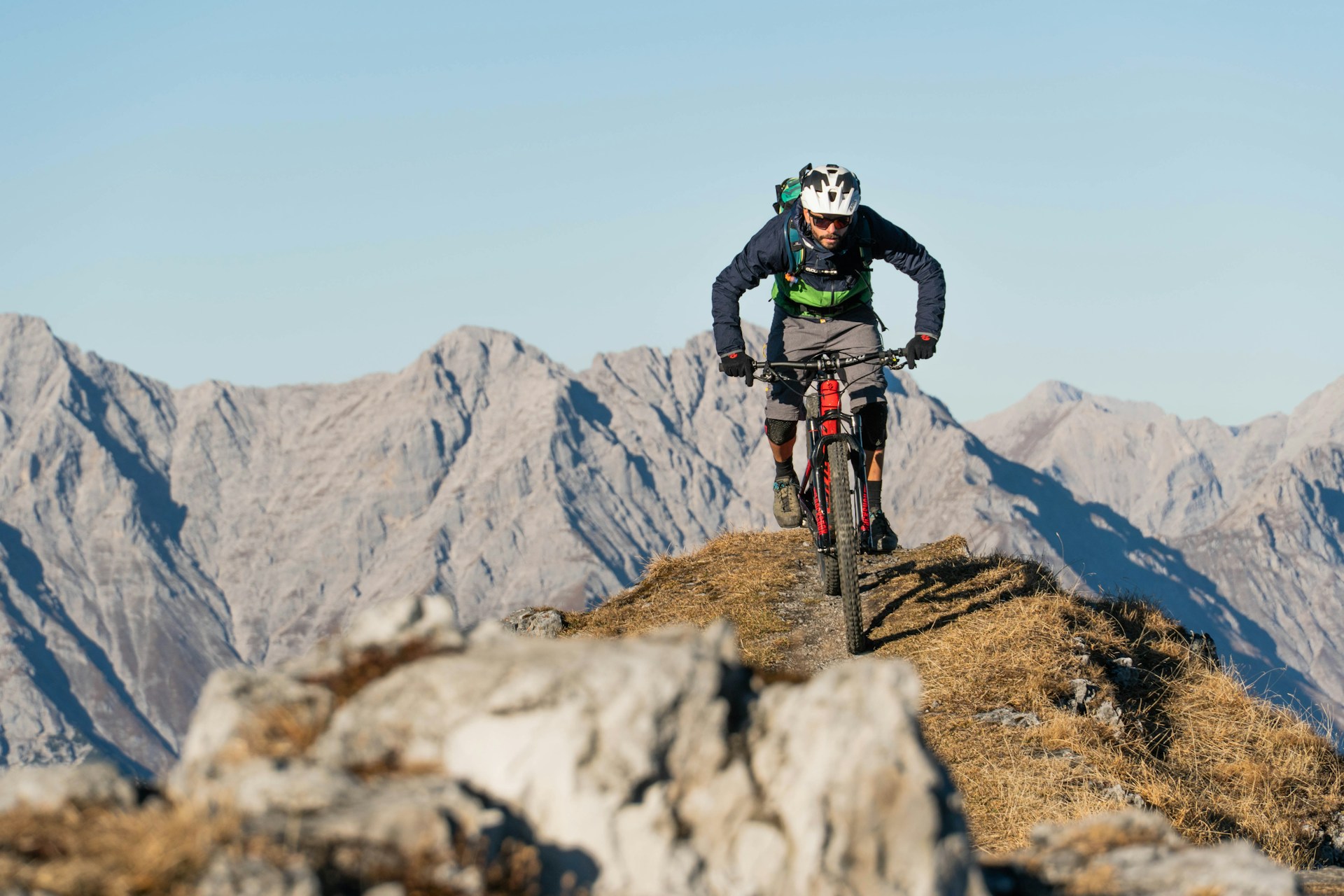
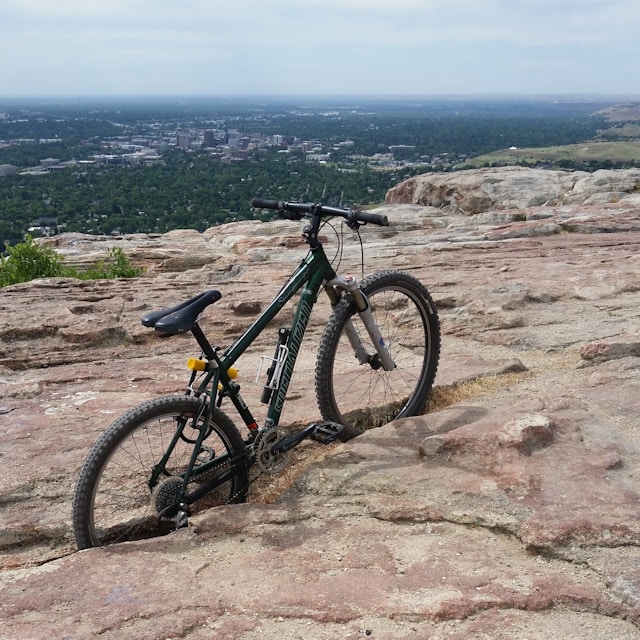
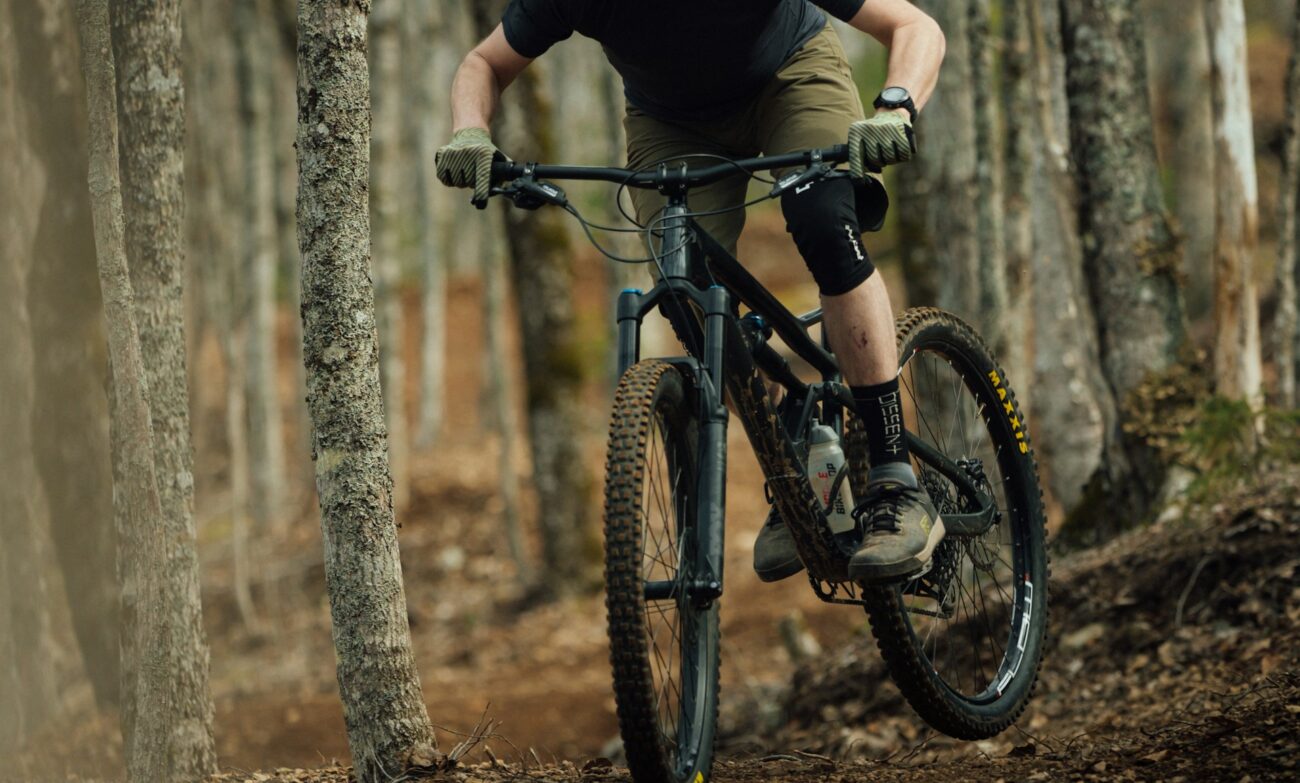
Mountain and off-road frames introduce additional considerations related to suspension, terrain, and control. Think about the complete bicycle you want to create before choosing the foundation. The right frame should support both your current riding style and the direction you want your cycling to take.

Wheels, tires, drivetrain, brakes, cockpit components, saddle, pedals, and frame all interact with one another. This means that improving one area can sometimes change the way the entire bike feels. A different tire setup might improve confidence on rough surfaces. A carefully selected drivetrain can make climbing more manageable. Better contact points can transform comfort during longer rides. Instead of evaluating components individually, think about how they contribute to your complete setup. A balanced bicycle is often more rewarding than one built around a single impressive specification.

A comfortable cyclist wants to keep riding

Comfort is easy to underestimate when testing a bike for only a few minutes. Its importance becomes much clearer after several hours. Your riding position, saddle, handlebars, pedals, gloves, and apparel all contribute to how your body interacts with the bicycle. Small discomforts can gradually become significant distractions on longer journeys. Take time to refine the details. A comfortable setup allows you to relax, concentrate, and enjoy more of the experience rather than constantly thinking about your equipment.

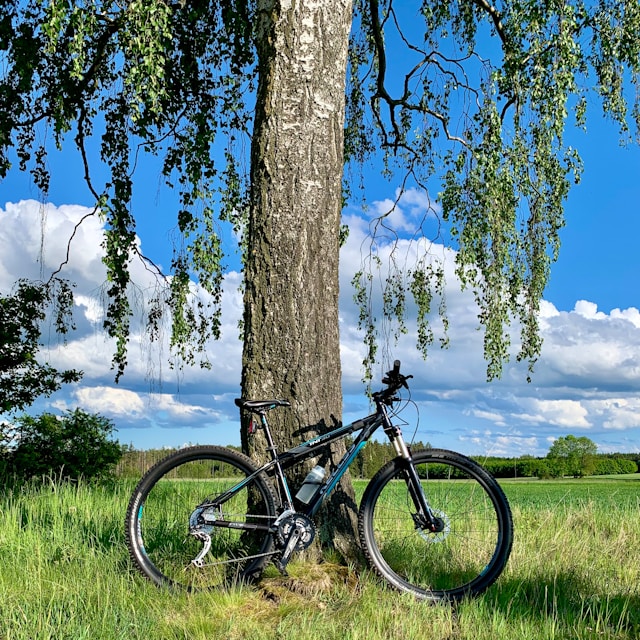
Hydration should be one of the easiest parts of your ride. A well-designed bottle should be simple to grab, drink from, and return to its cage. The cage itself should provide secure retention while keeping access straightforward. Capacity should match the journey. 

Longer rides introduce new considerations. Hydration becomes more important. Comfort matters more. Small mechanical problems become harder to ignore, and changing weather can influence the experience considerably. Before heading out, think about the entire journey rather than only the first kilometers. Consider what you may need later in the day and how easily you can carry it. Preparation does not mean taking excessive amounts of equipment. It means choosing a sensible collection of essentials that supports the distance ahead.

Carry what matters without weighing down the experience

Storage should make your bike more practical without making it feel cluttered. A compact solution can provide enough room for tools and essential personal items. Longer adventures may require additional capacity for clothing, nutrition, or other equipment. Think about accessibility as well as capacity. Items you use frequently should be easy to reach, while emergency equipment can remain securely stored until needed. The best storage system feels organized and intentional. Everything has its place, and nothing interferes with the ride.

Mechanical problems rarely happen at convenient moments. Carrying a few carefully chosen tools can help you deal with minor issues and avoid turning a small problem into the end of a ride. Your toolkit should reflect your bike and typical routes. You do not need to carry every possible tool. Focus on practical equipment for common adjustments and situations you can reasonably address while away from home. For remote or longer journeys, preparation becomes even more valuable. Knowing that you have basic solutions available creates confidence to explore further.

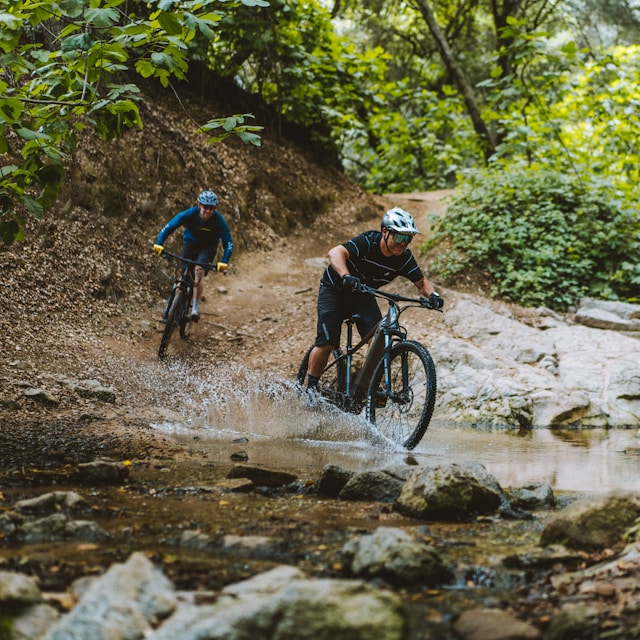
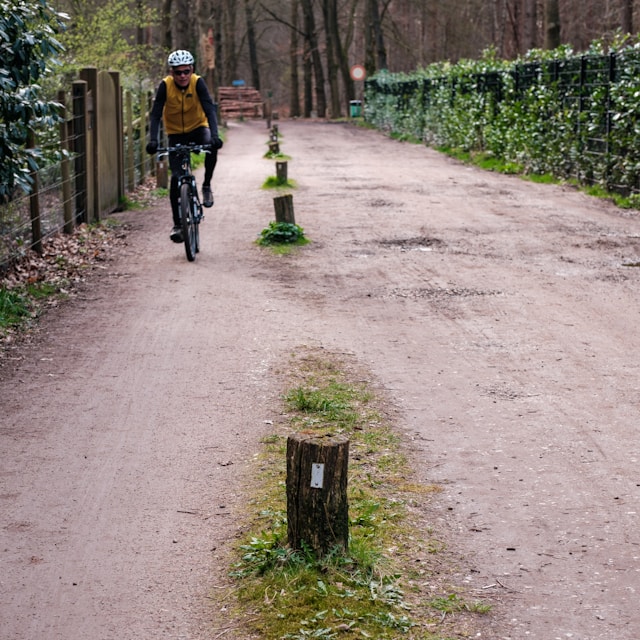
Tires are one of the most important connections between your bicycle and the surface beneath it. Their condition, design, and pressure influence grip, efficiency, control, and comfort. Different terrain creates different requirements. Smooth roads, gravel, forest trails, and technical mountain routes all place unique demands on your tires. Inspect them regularly and learn how your preferred setup feels in different conditions. Sometimes improving the riding experience does not require a major component upgrade. A better understanding of the equipment you already have can make a noticeable difference.

Leave a Reply

Your email address will not be published. Required fields are marked *