Maintenance

Creating the right balance between performance, comfort and personal style

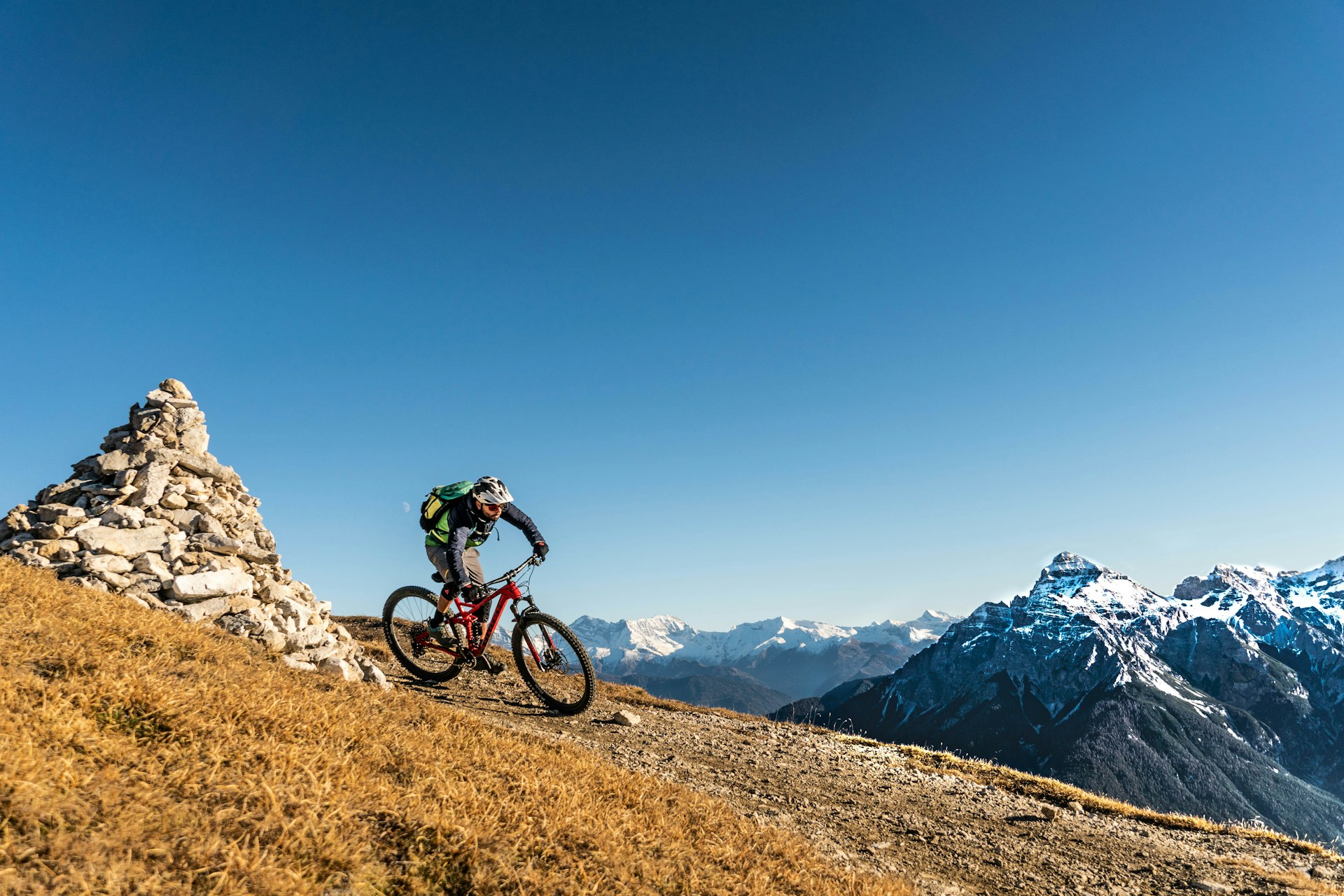
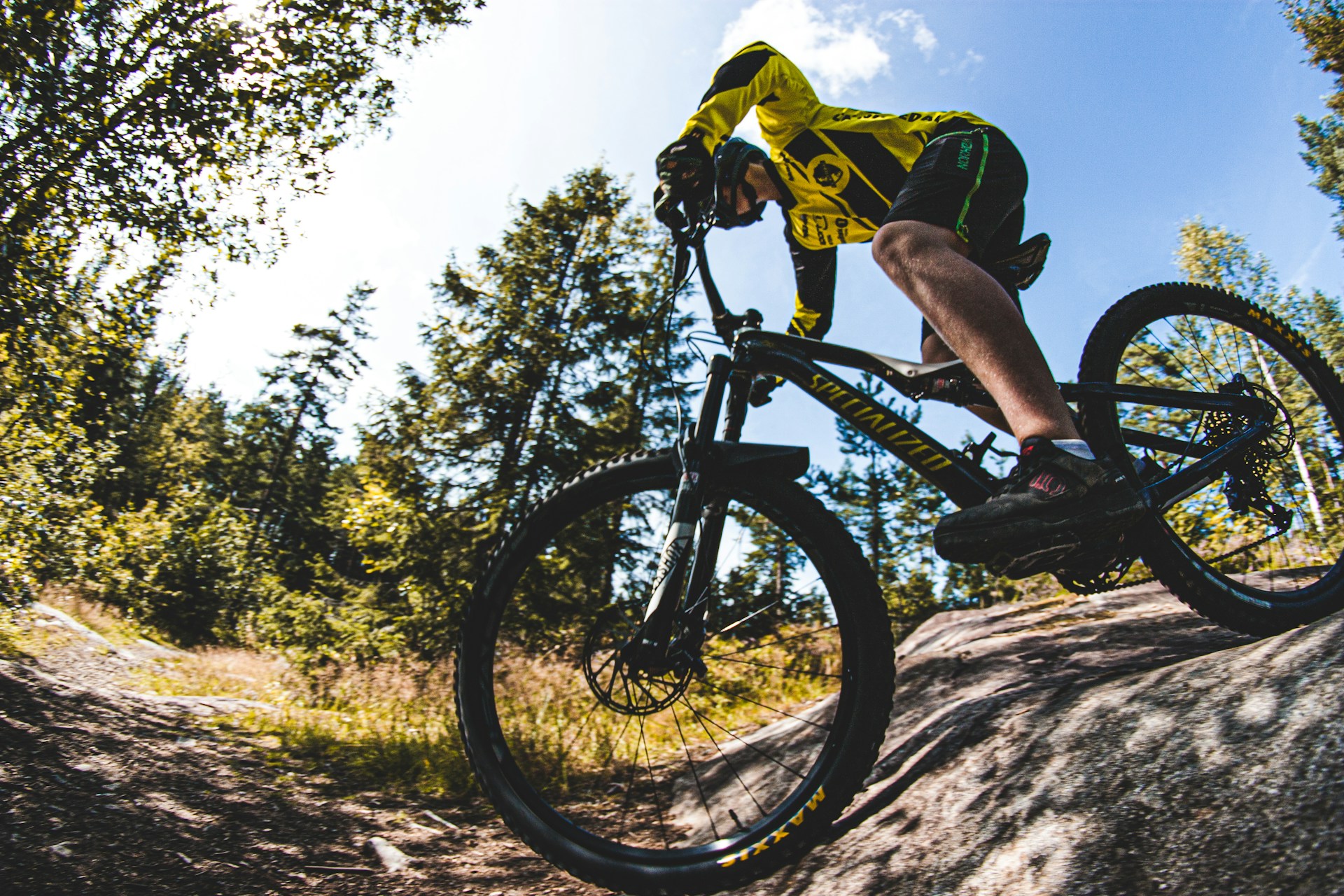
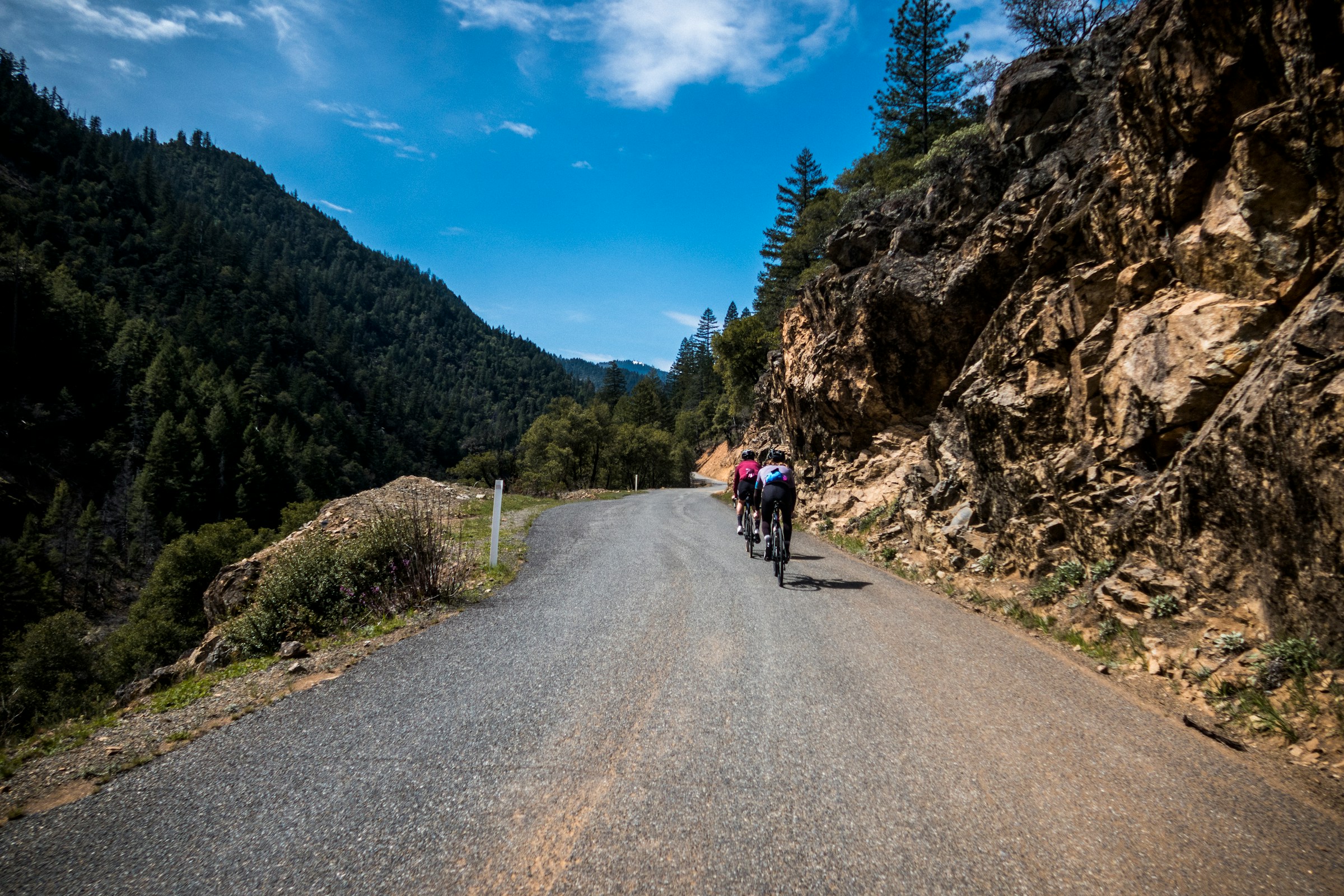
Before thinking about upgrades, accessories, or technical specifications, think about how you actually use your bike. Do you prefer fast road rides? Long weekend journeys? Technical trails? Relaxed countryside routes? Structured training sessions? Your answers should influence almost every decision you make. A rider focused on speed may prioritize lightweight equipment and aerodynamic efficiency. Someone who enjoys long adventures may value comfort, hydration capacity, storage, and durability. Mountain riders often need greater control, protection, and equipment capable of handling rough surfaces. There is no single setup that works perfectly for everyone. The best starting point is understanding yourself as a cyclist.

Performance comes from balance

A bicycle can be much more than a collection of components. Over time, it becomes something personal - a machine shaped by the roads you choose, the distances you cover, and the way you prefer to ride. The perfect cycling setup does not necessarily mean having the lightest frame, the newest technology, or the largest collection of accessories. It means creating a bike where every element works together and has a purpose. From choosing the right frame to refining the smallest details, building your ideal setup is a process. The more you ride, the more you understand what matters to you.

Comfort and control begin with fit

A great cycling setup does not need to be covered in accessories. Instead, every addition should answer a simple question: What does this improve?

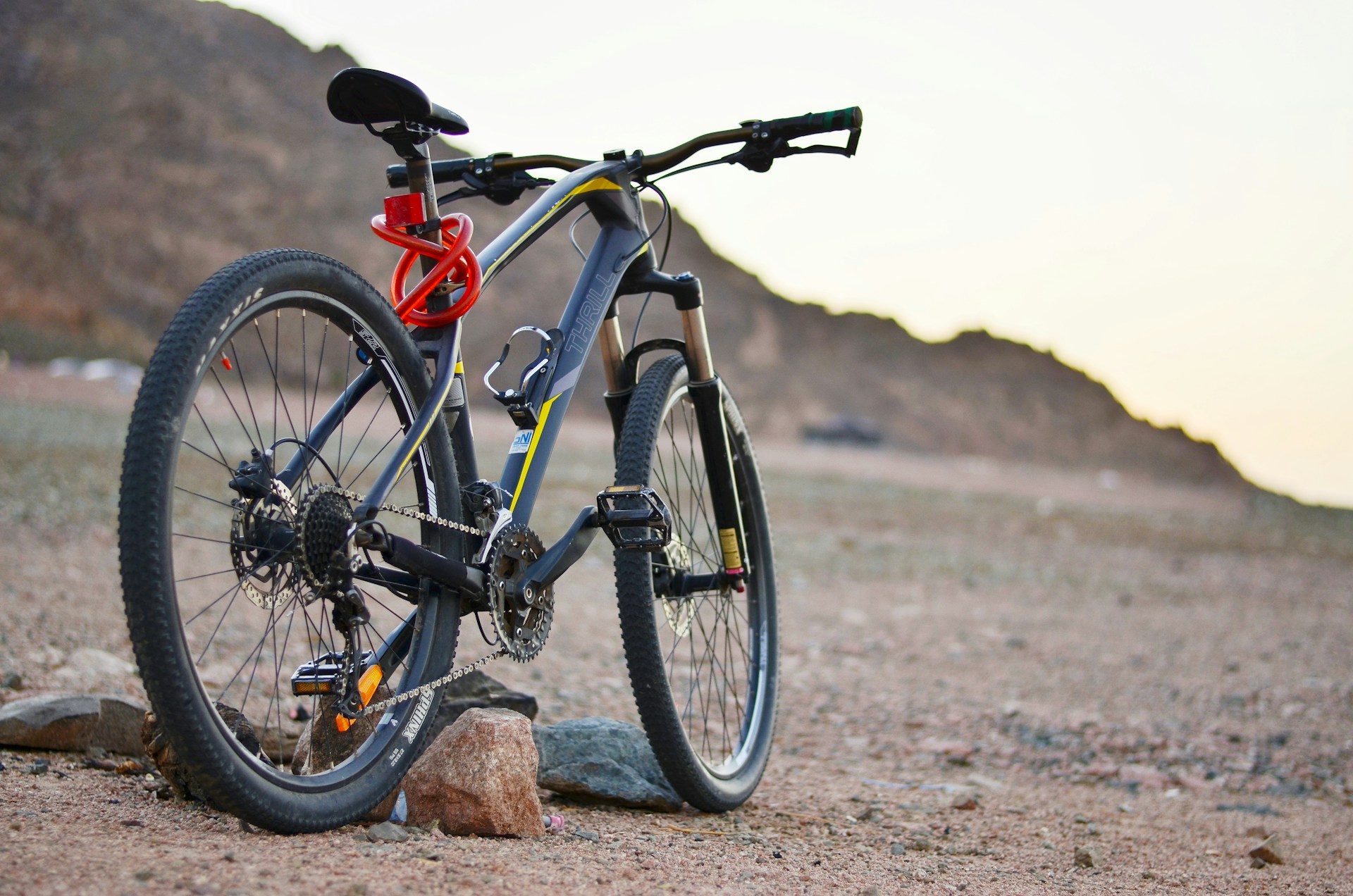
A bottle cage gives you convenient access to hydration. A compact pump provides reassurance when you are far from home. Mudguards can make wet-weather riding significantly more comfortable. Storage solutions help keep essential tools organized. Useful accessories should make your experience simpler. Before adding something new, think about the situations you regularly encounter while riding. If an accessory solves a recurring problem, it is likely to become something you appreciate on every journey.

Hydration equipment deserves careful consideration, particularly as your rides become longer. Bottle capacity should reflect your usual distance and opportunities to refill. The bottle should sit securely in its cage while remaining easy to remove and replace while riding. Some cyclists prefer lightweight traditional bottles, while others may benefit from larger-capacity or more integrated hydration solutions. Whatever system you choose, simplicity matters. You should be able to drink without unnecessary effort or distraction. When hydration becomes a natural part of your setup, it becomes easier to maintain your rhythm throughout the ride.

71 Pilgrim Avenue
Chevy Chase,
MD 20815

Leave a Reply

Your email address will not be published. Required fields are marked *