Adventure

A practical guide to building a smarter and more functional cycling setup

A bicycle may be the heart of every ride, but the accessories surrounding it can completely change the experience. The right additions can make your bike more practical, improve comfort, simplify maintenance, and help you feel prepared for everything from a short morning ride to an all-day adventure. The key is not to add as much equipment as possible. A great cycling setup is thoughtful. Every bottle, bag, tool, and accessory should have a purpose. Understanding what you genuinely need makes it easier to create a bicycle that feels organized, capable, and ready whenever you decide to ride.
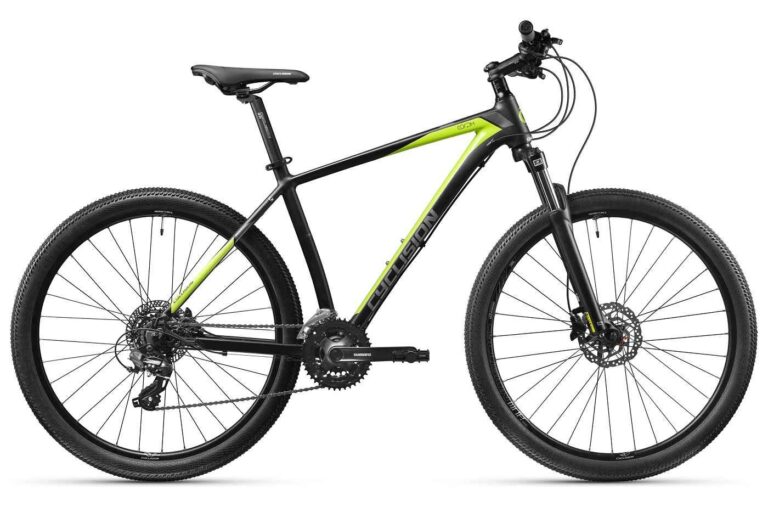
Before exploring specialized equipment, begin with the products you are most likely to use regularly. Think about your typical rides. How far do you travel? Where do you ride? What do you normally carry? Do you ride mostly on smooth roads, through the city, or across trails and gravel? Your answers will help determine which accessories deserve priority. A rider who spends an hour close to home may need only a few essentials. Someone preparing for long-distance adventures will naturally require a more complete setup. Start simple and allow your equipment to grow alongside your experience.

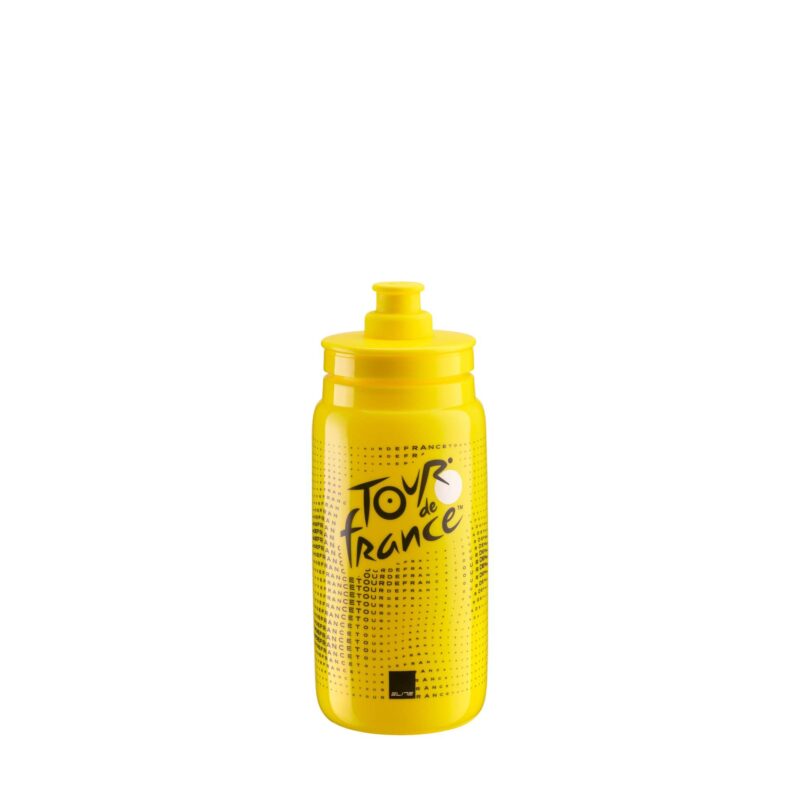
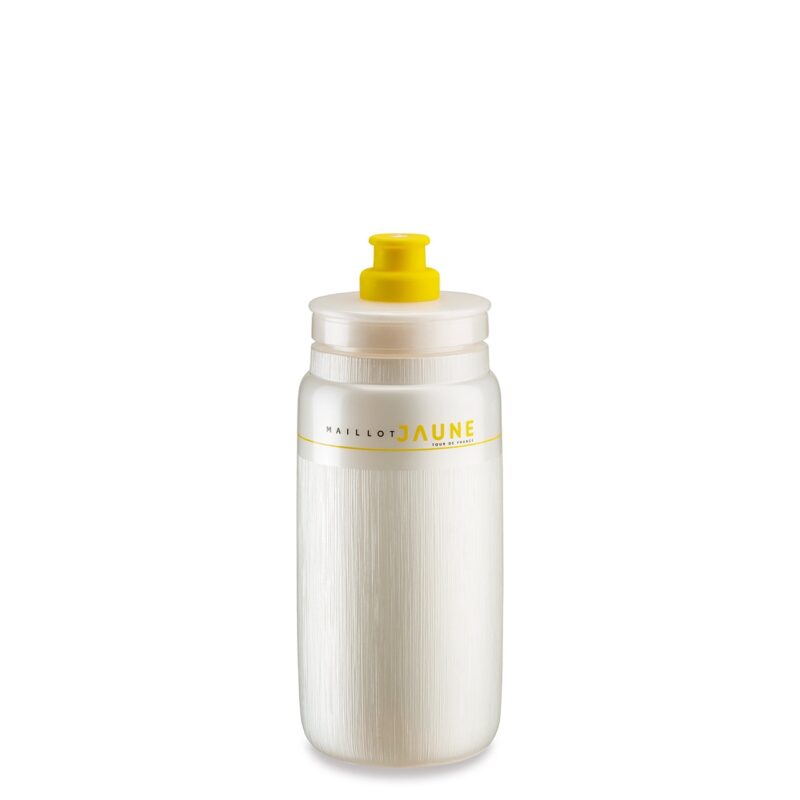
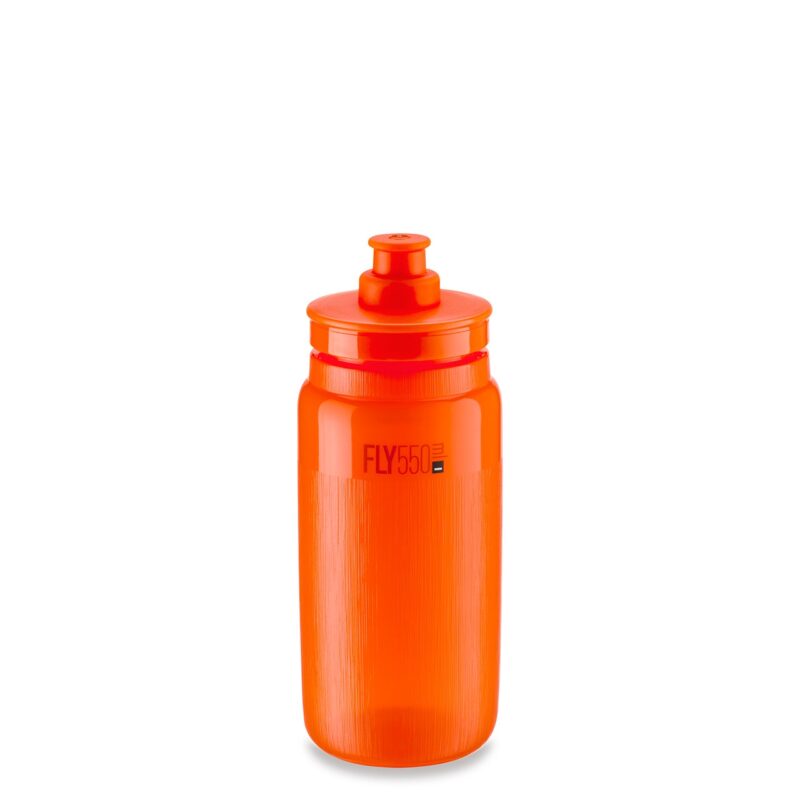
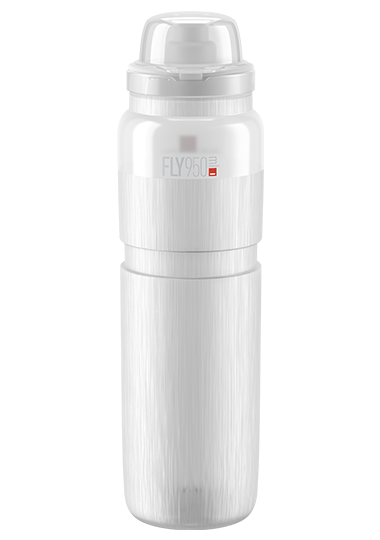
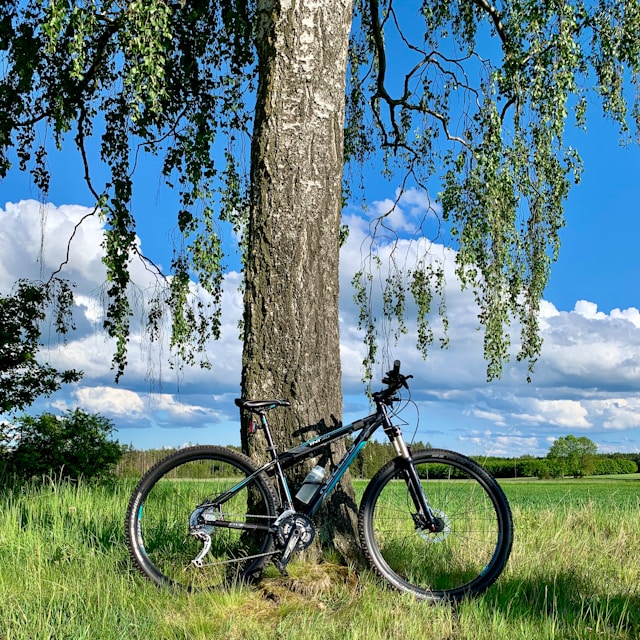
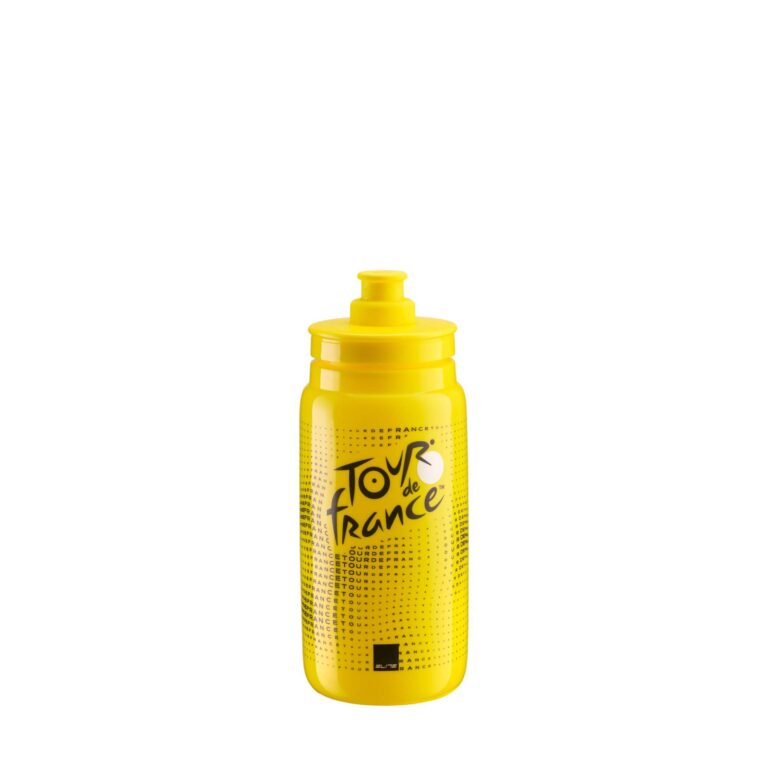
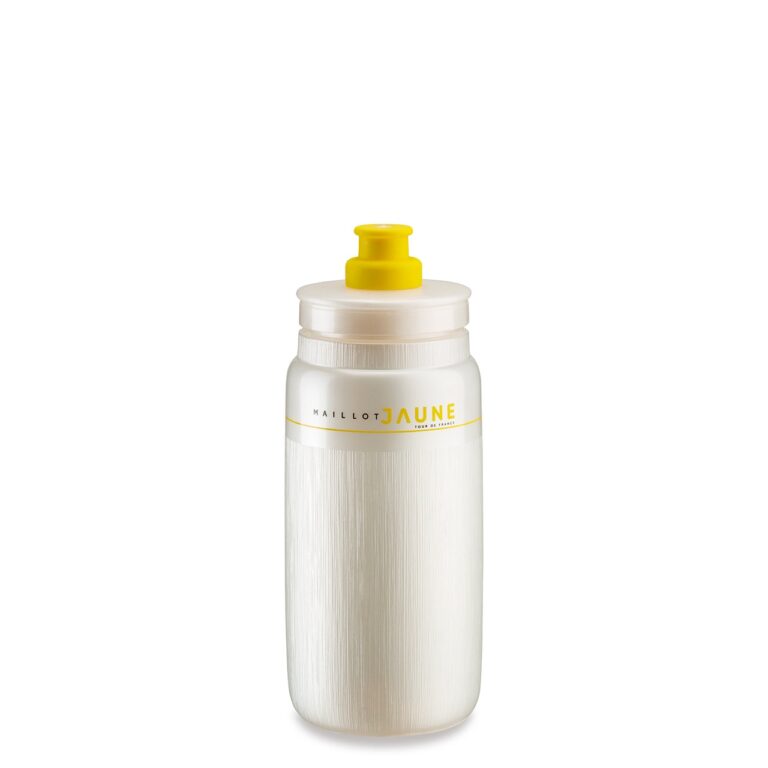
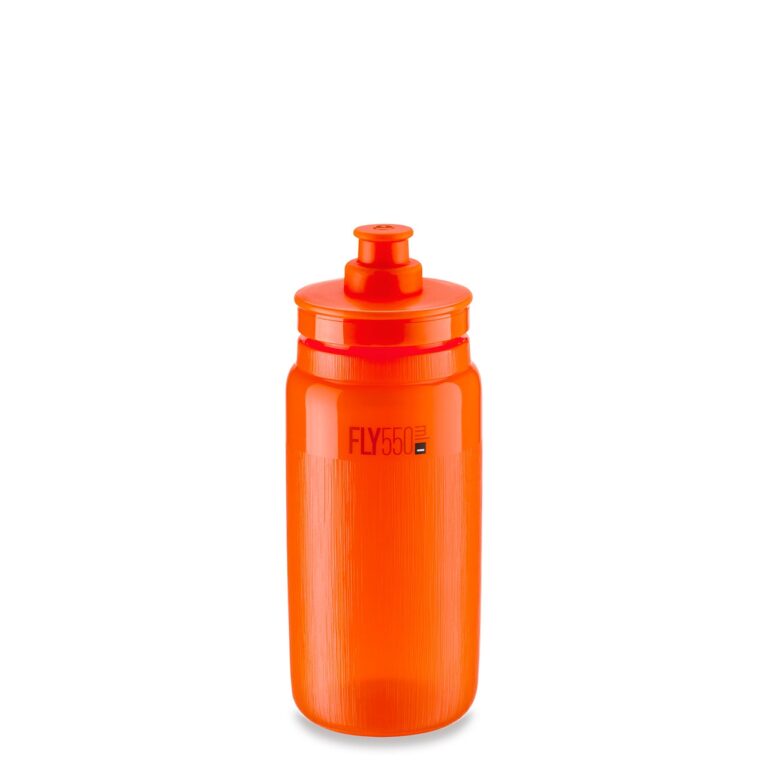
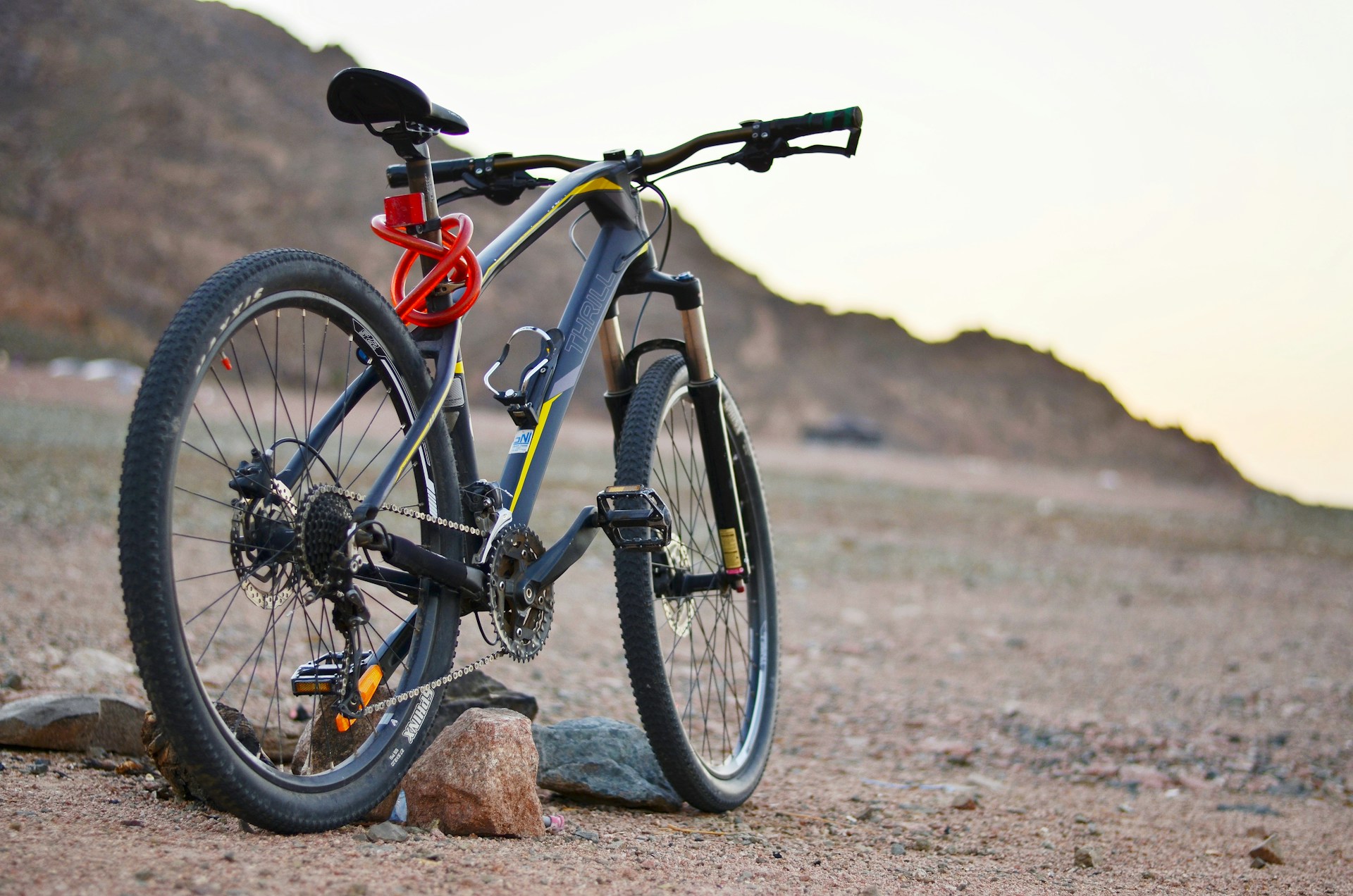
A reliable hydration setup is one of the most useful additions to any bicycle. The right bottle should be comfortable to hold, easy to drink from, and simple to return to the cage while moving. Capacity also matters. Compact bottles can be ideal for shorter training sessions, while larger options provide additional flexibility for longer journeys. Your bottle cage is equally important. It needs to hold the bottle securely when the surface becomes uneven while still allowing quick access when you need a drink. Together, the bottle and cage should create a simple system that works naturally throughout the ride.

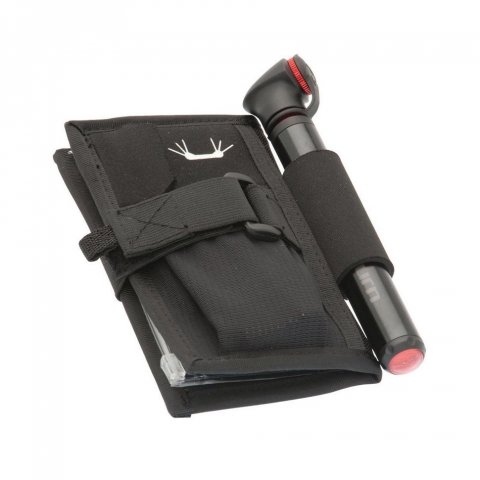
Even a perfectly maintained bicycle can encounter unexpected problems. A loose component or minor mechanical issue can quickly interrupt a journey when you have no way to deal with it. This is where compact cycling tools become valuable. You do not necessarily need to carry a complete workshop. Instead, choose a practical selection suited to your bike and the type of riding you do. For longer or more remote journeys, preparation becomes particularly important because assistance may not always be nearby. A small amount of useful equipment can provide considerable confidence.

Comfort becomes increasingly noticeable as distances grow. If your hands, feet, or riding position constantly distract you, it becomes much harder to enjoy the journey. Accessories such as cycling gloves can contribute to grip and comfort, while suitable clothing can make movement feel more natural. Small adjustments to your setup may also help create a riding position that feels more appropriate for your body. Comfort should never be confused with unnecessary luxury. A comfortable rider can concentrate more easily on the road, surroundings, and experience.

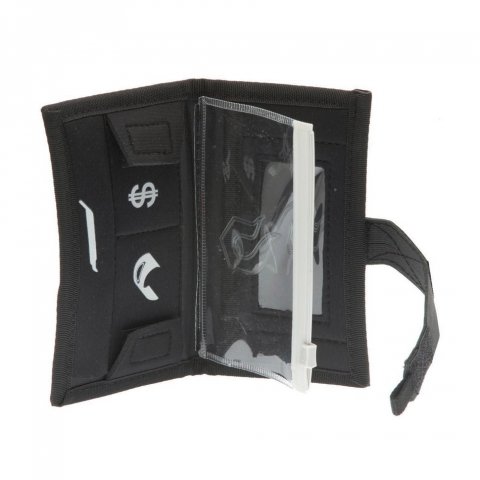
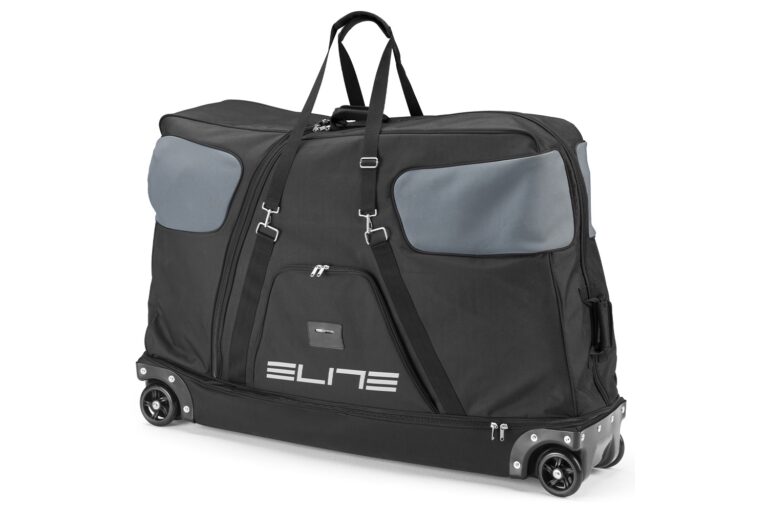
Cycling storage is useful when it provides additional capacity without getting in the way. Compact bags can provide space for tools, personal items, spare equipment, or other necessities while keeping pockets less crowded. For longer journeys, additional storage can allow you to carry extra clothing, food, or equipment without compromising comfort. Think carefully about placement. Your storage should remain secure, accessible, and stable while riding. It should complement the shape of your bike rather than making the setup feel unnecessarily complicated. The best storage solution is often the one you barely notice until you need something from it.

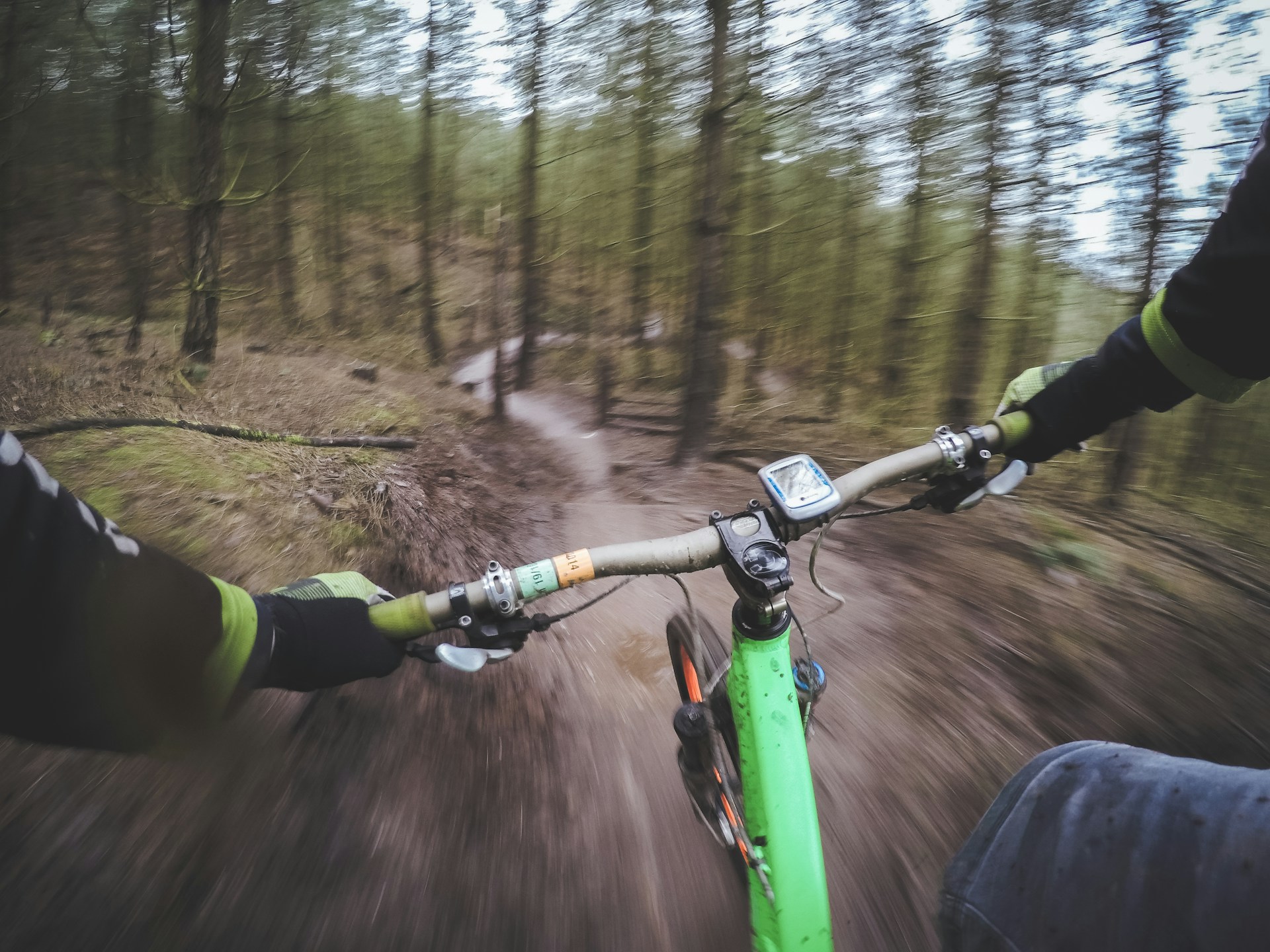
Tires influence comfort, grip, efficiency, and control, making them an important part of any cycling setup. The right choice depends heavily on where you ride. Smooth road surfaces may favor efficiency and lower rolling resistance, while rougher terrain requires greater grip and durability. Mountain and gravel riders often need additional confidence across loose, uneven, or unpredictable surfaces. Regularly inspect your tires and keep them appropriately inflated. They work constantly, and their condition can significantly influence how your entire bicycle feels.

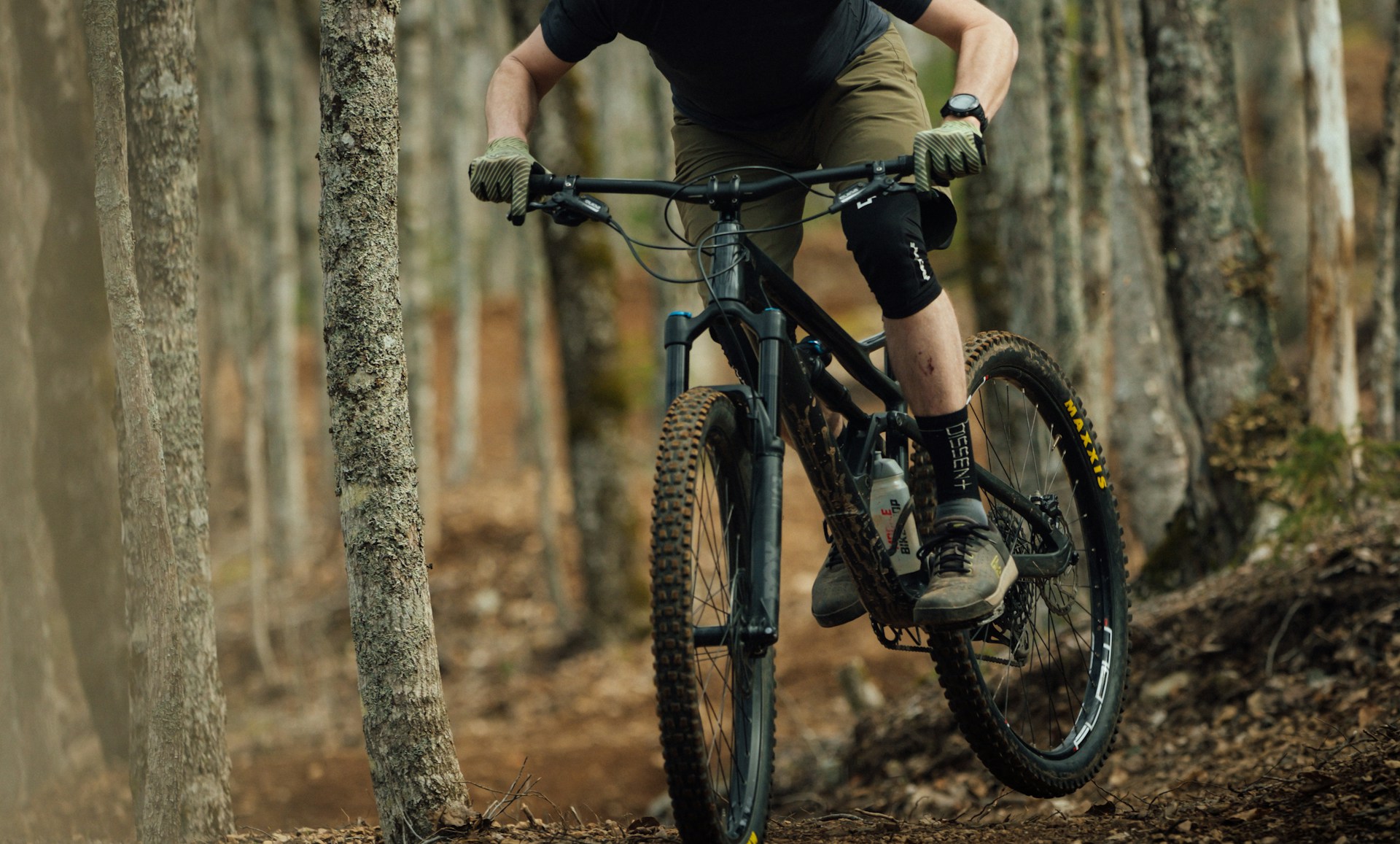
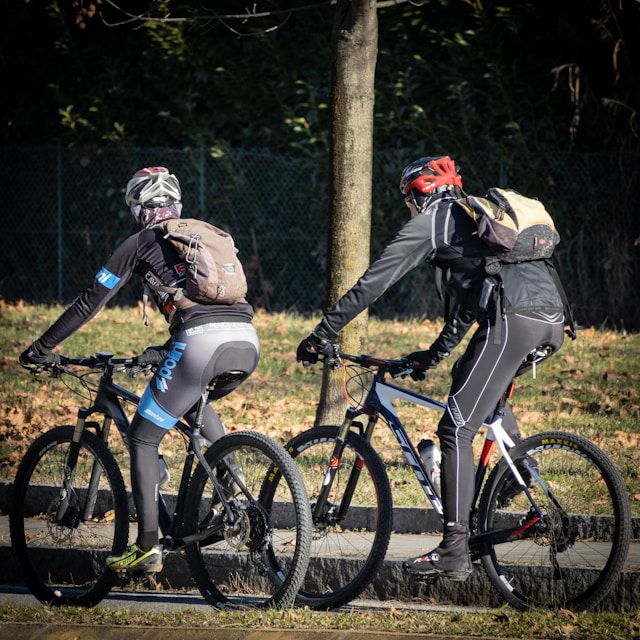
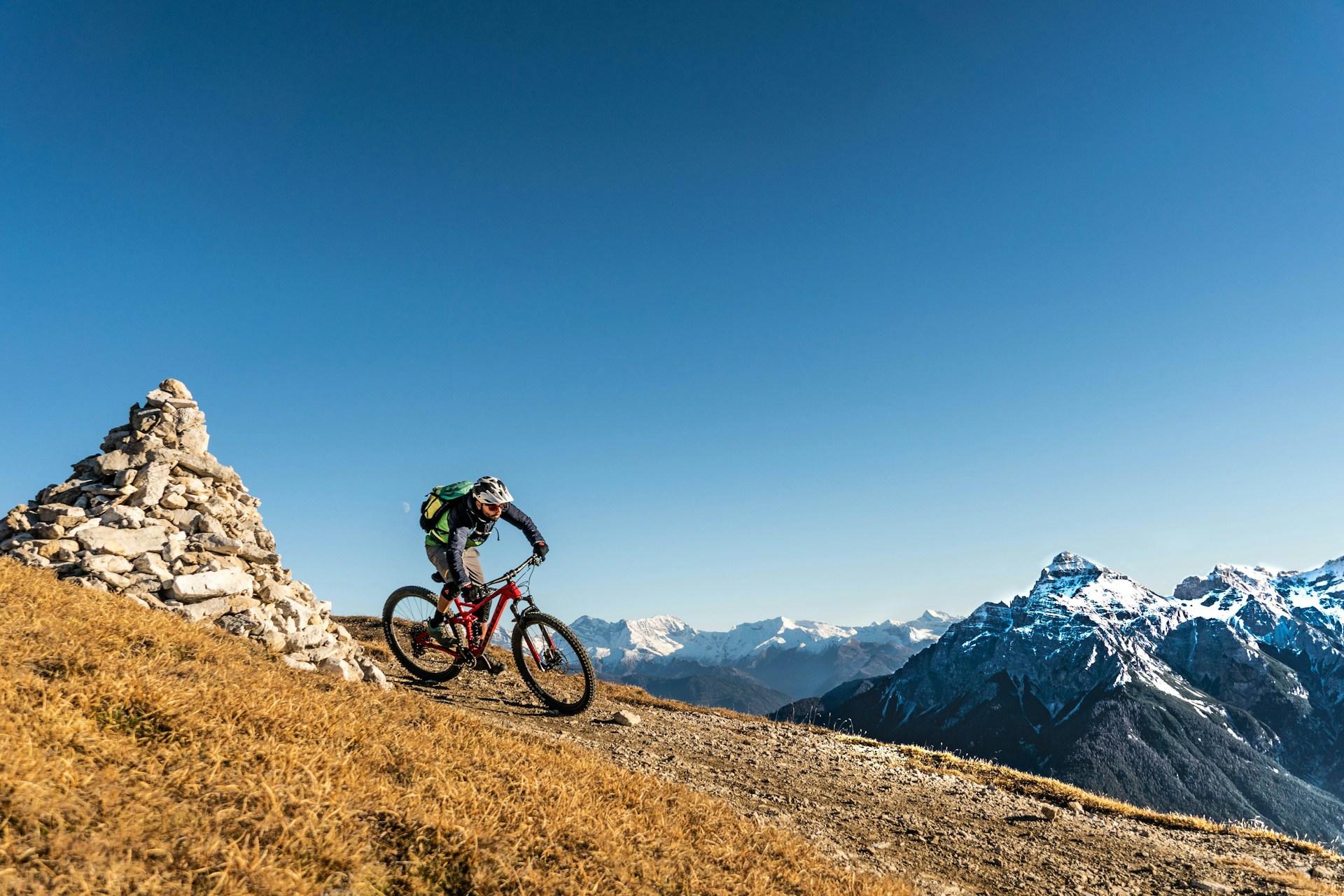
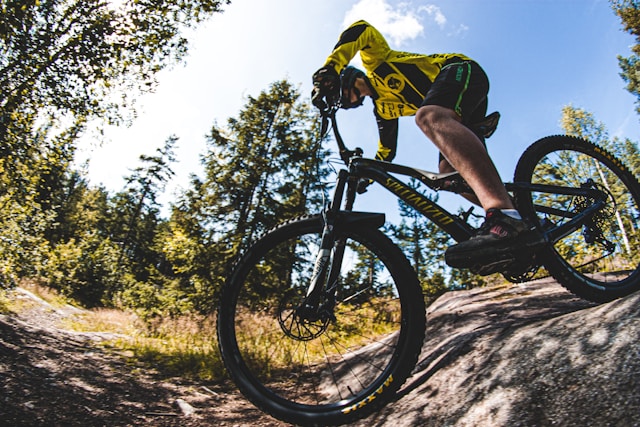
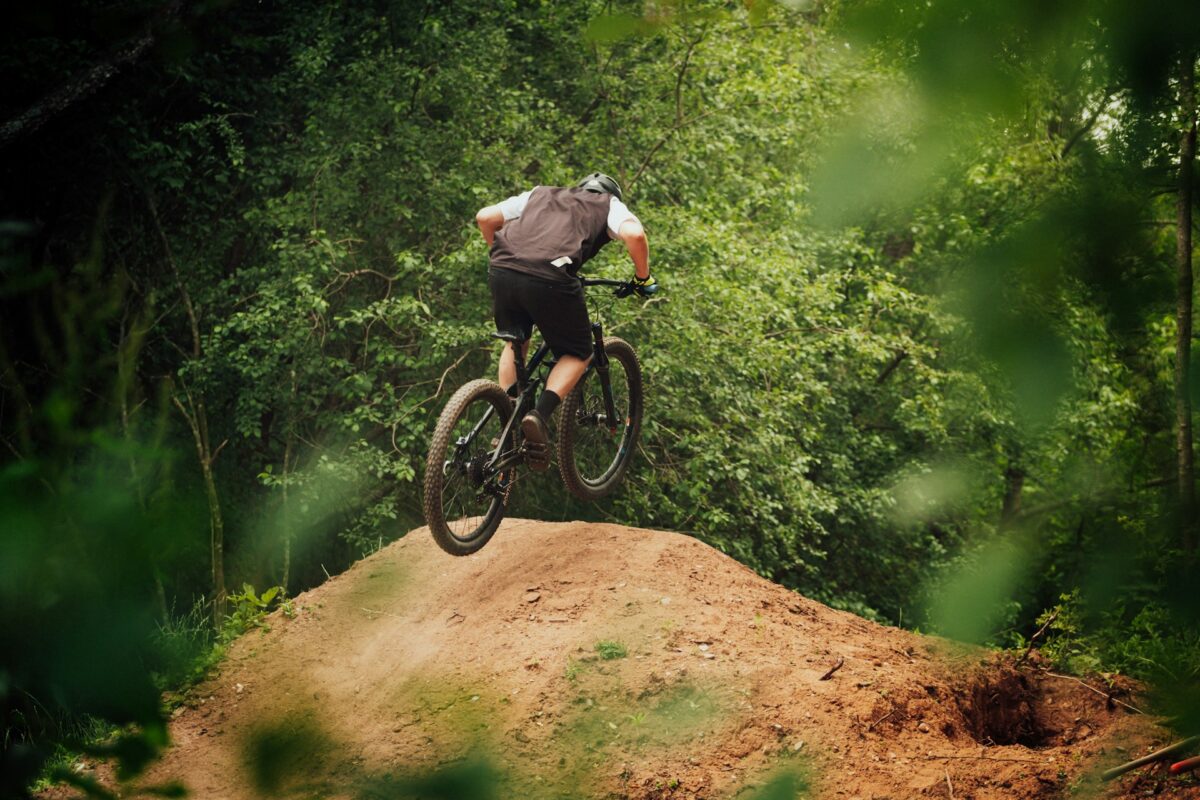
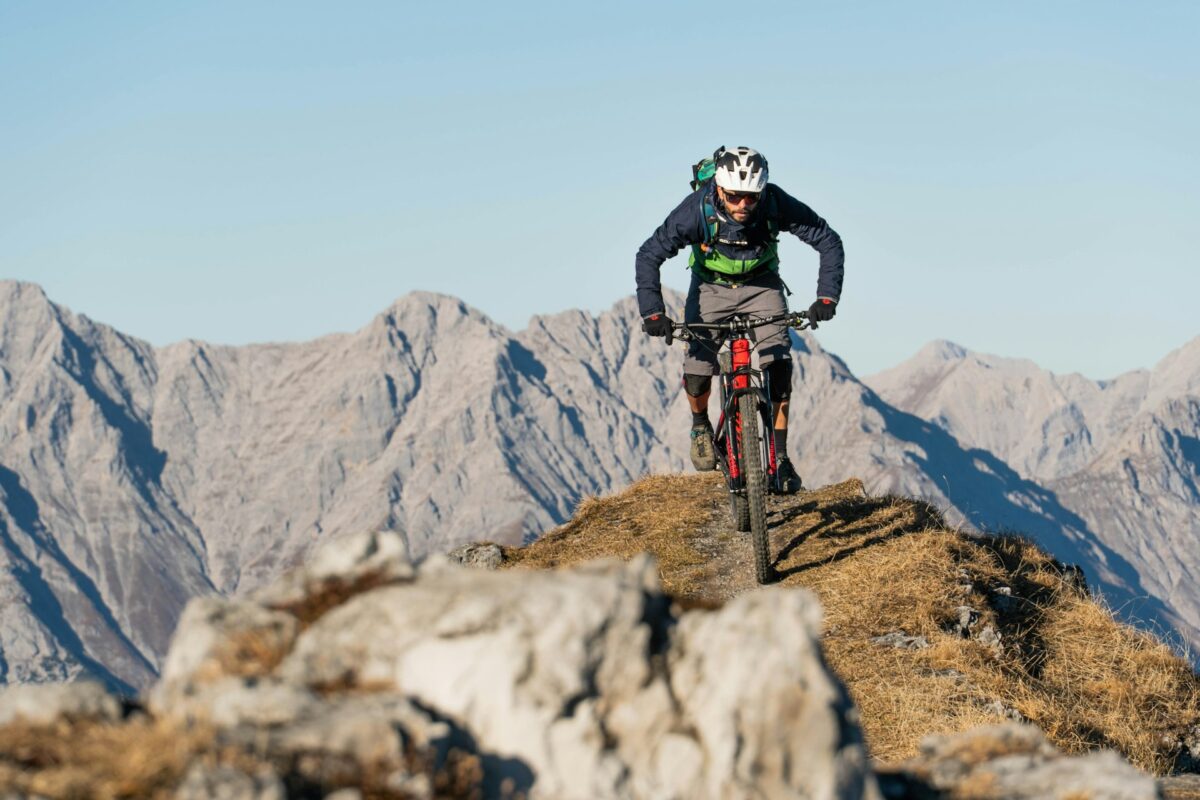
Protection should be considered whenever you build your cycling setup. A properly selected helmet is one of the most important pieces of cycling equipment. Depending on your discipline, additional protective equipment may also be appropriate. Mountain biking, for example, can introduce very different requirements from recreational road cycling. Choose protection based on the conditions you expect to encounter rather than appearance alone. Good equipment should fit correctly, remain comfortable, and become a natural part of preparing for a ride.

Maintenance begins with simple habits. Dirt, dust, mud and road debris gradually accumulate across the frame and components. Regular cleaning makes your bicycle more pleasant to use while also giving you an opportunity to inspect it closely. Pay particular attention to areas that experience frequent movement or wear. A clean drivetrain is easier to monitor. Tires are easier to inspect. Small marks or changes to components become easier to notice. Bike care does not need to become complicated. A consistent routine can be more valuable than occasional intensive maintenance.

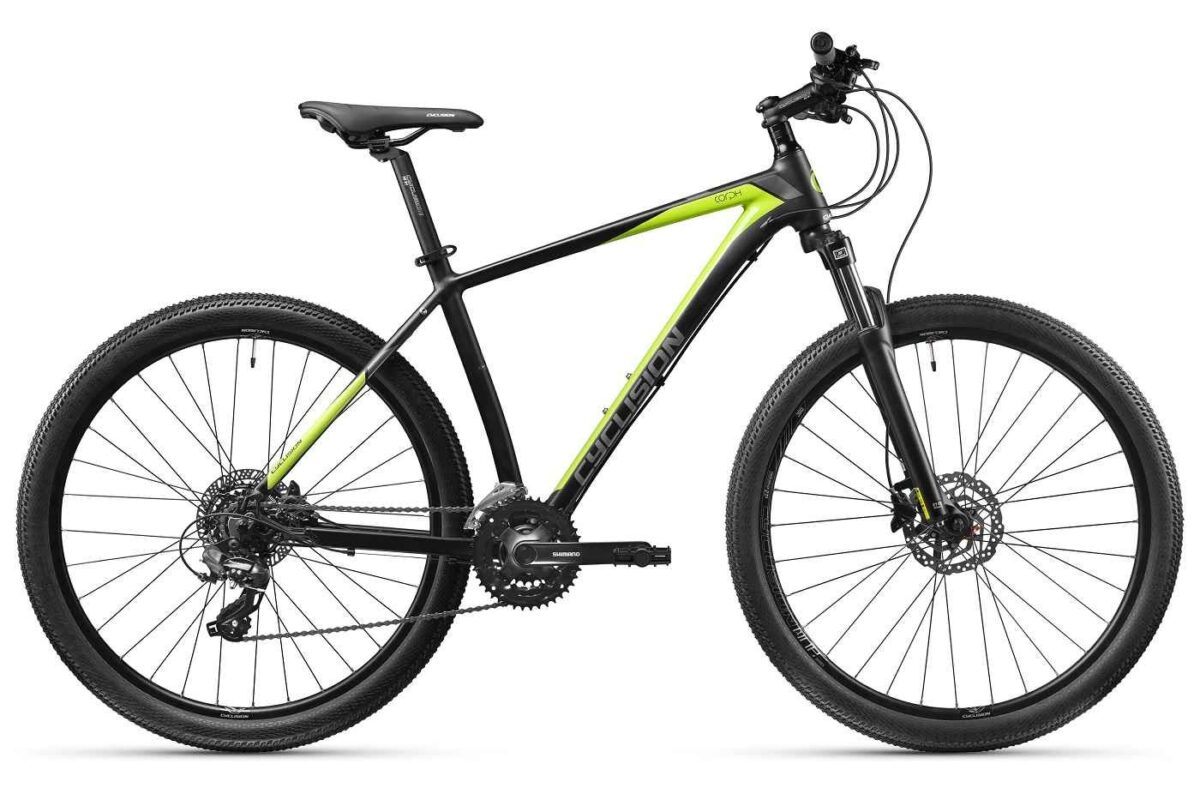
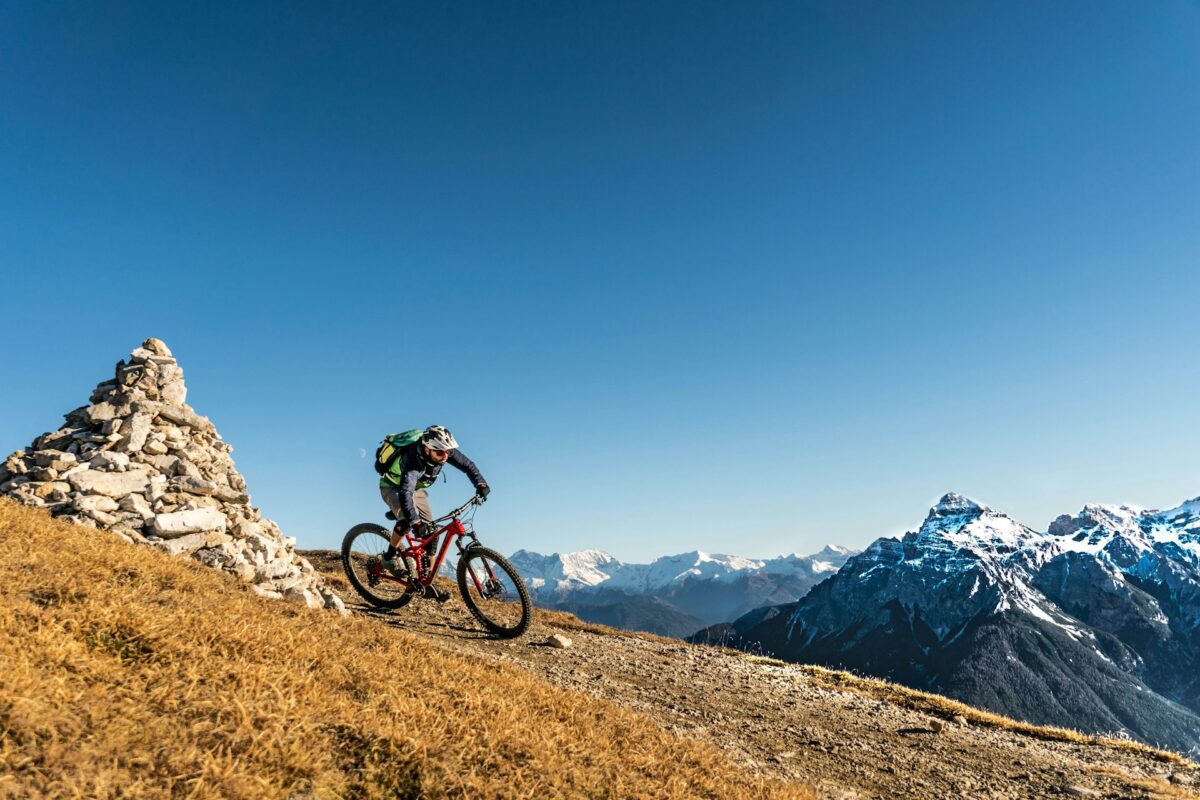
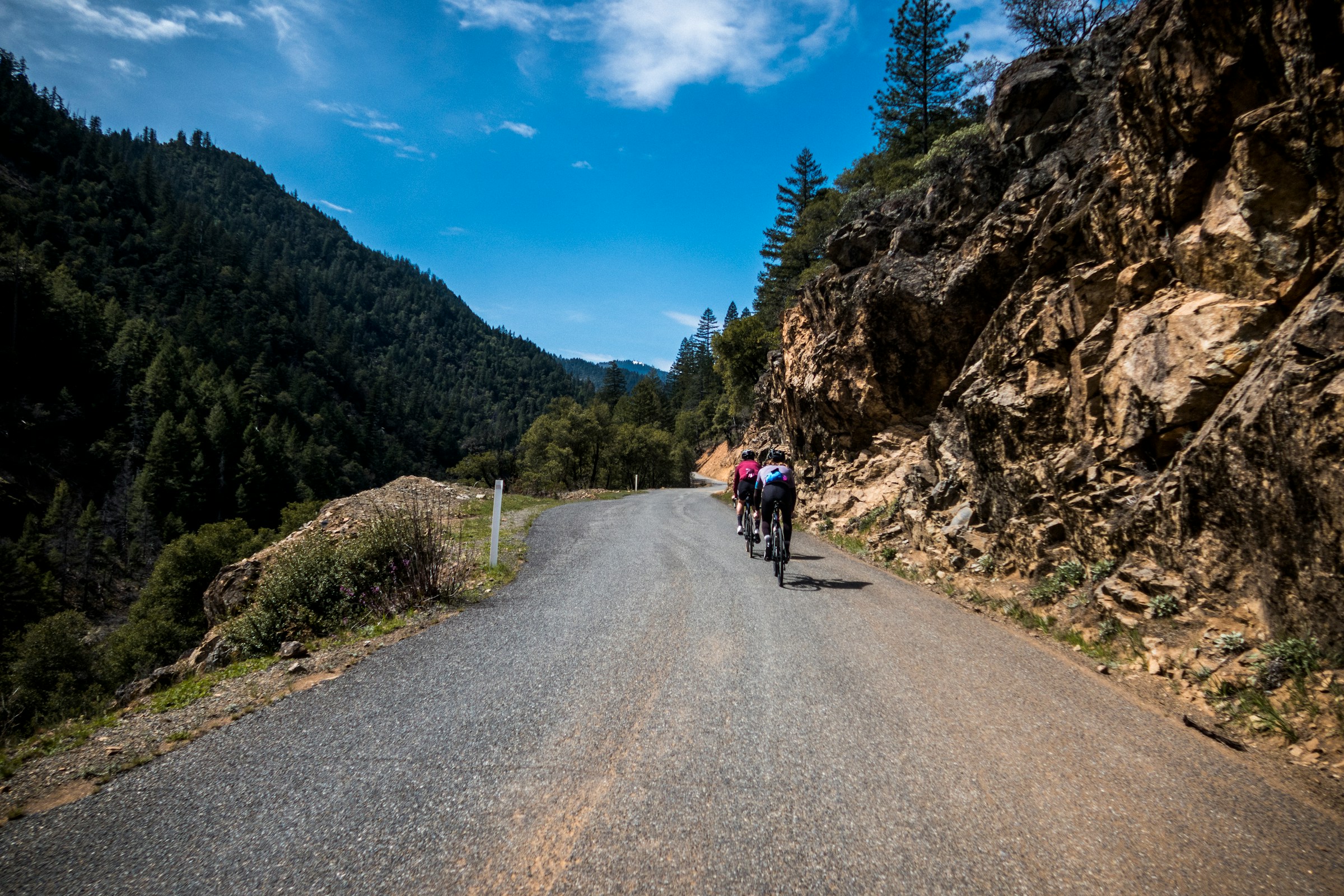
The ideal accessory setup for a road cyclist may look completely different from one designed for mountain trails. Road riders may focus on lightweight hydration, compact storage, and efficiency. Mountain cyclists might prioritize secure bottle retention, protection, durable tools, and equipment that performs reliably during vibration and impact. Adventure and gravel riders often need versatility because a single route can include several different surfaces. Your environment should influence your equipment. Build for the roads and trails you actually ride rather than copying somebody else’s setup.

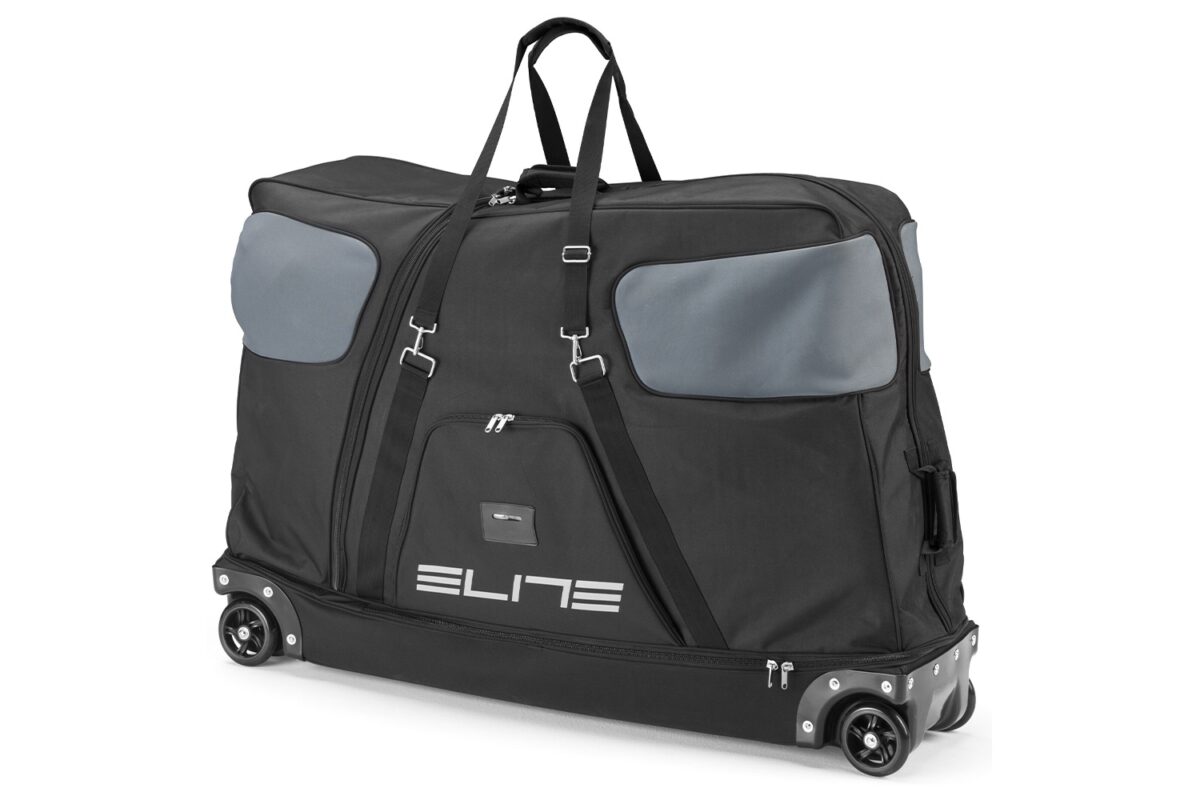
As your rides become longer, small details become more important. You may need additional hydration, greater storage capacity, extra tools, or equipment for changing weather conditions. Long-distance preparation is about finding balance. Taking too little can leave you unprepared, but carrying unnecessary equipment adds weight and complexity. Think about the route, distance, conditions, and opportunities to stop along the way. Then build your setup around those realities.

Not every cycling accessory needs to exist purely for technical reasons. Color, shape, material, and design can all contribute to the character of your bicycle. A carefully chosen bottle and cage can complement the frame. Bags can become part of the overall visual identity. Small component details can create contrast or maintain a clean, understated appearance. Cycling combines engineering with personal expression. There is nothing wrong with choosing equipment partly because you enjoy how it looks – as long as it also performs the function you need.

It is easy to accumulate cycling accessories over time. Some become indispensable. Others remain unused. Review your setup occasionally and ask whether each item still has a purpose. If something never leaves your storage area or stays permanently attached to the bike without being useful, reconsider whether you really need it. Removing unnecessary equipment can make your bike feel cleaner and simpler. A carefully curated setup often provides a better experience than one filled with products simply because they were available.

One of the best ways to ride more frequently is to make preparation simple. When your bicycle already has the basic accessories you regularly need, getting out for a ride requires less effort. Keep essential equipment organized. Maintain your hydration products. Store your tools somewhere predictable. Check your bicycle regularly. The easier it is to prepare, the fewer reasons you have to postpone a ride. Sometimes convenience is one of the most valuable improvements you can make.

Leave a Reply

Your email address will not be published. Required fields are marked *